

TMJ/Bruxism Treatment
You Don't Have to Live with Jaw Pain

Our personalized TMJ pain treatment can help relieve or minimize symptoms.

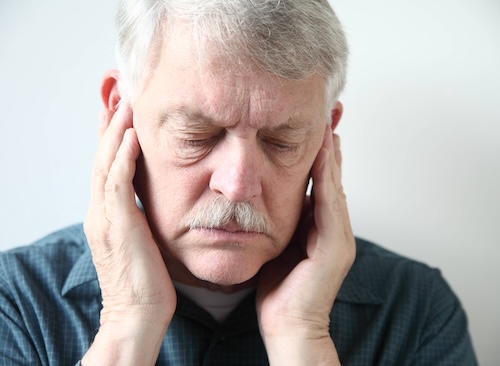
framingham woman holding her jaw from bruxism pain

TMJ/Bruxism Treatment Framingham

Jaw pain, chronic headaches, and worn-down teeth can all point to different underlying causes. Some patients clench or grind without realizing it. Others develop joint dysfunction that builds gradually over months. These conditions often overlap, and the symptoms alone don't tell the full story.

At Orris Dental, Dr. Ali Maddahi begins every TMJ and bruxism evaluation with a thorough clinical assessment, because effective treatment depends on understanding what's actually driving your symptoms.

Understanding TMJ Disorders and Bruxism

TMJ disorders involve dysfunction in the temporomandibular joint, the hinge connecting your jaw to your skull. Bruxism refers to habitual grinding or clenching, often during sleep. The two often occur together but aren't the same condition, and each may require a different treatment approach.

When to Schedule a TMD Evaluation

TMJ disorders and bruxism don't always present as obvious jaw pain. Symptoms can be subtle and easy to mistake for something else. If any of the following sound familiar, an evaluation may be worthwhile.
Jaw Pain or Limited Movement
Difficulty opening your mouth fully, clicking or popping when you chew, or persistent soreness along the jaw joint. These symptoms may come and go at first, but often become more frequent or intense without proper care.
Signs of Grinding or Clenching
Flattened or chipped teeth, tooth sensitivity that develops without decay, or a partner who hears you grinding at night. Bruxism often goes undetected until Dr. Maddahi identifies wear patterns during a routine exam.
Headaches and Muscle Tension
Recurring tension headaches, earaches without infection, or tightness through the temples and neck, particularly in the morning. These may not seem related to a jaw problem, but they are among the most common signs of TMJ dysfunction.

Frequently Asked Questions

In many cases, yes. Research has established a significant connection between sleep-disordered breathing and nocturnal (nighttime) bruxism.

What's the Connection?

When the airway narrows or becomes partially obstructed during sleep, the body may respond by clenching or grinding the jaw in an unconscious effort to reopen the air passage. For some patients, grinding is not a standalone habit but a symptom of an underlying breathing issue that may benefit from its own course of treatment.

Symptoms that suggest a connection include:

  • Grinding that persists despite consistent nightguard use
  • Daytime fatigue, morning headaches, or unrefreshing sleep alongside bruxism symptoms
  • A partner who reports snoring, gasping, or pauses in breathing

When Dr. Maddahi identifies wear patterns or symptoms suggesting sleep-related grinding, he may recommend a formal sleep evaluation to determine whether a breathing disorder contributes. Treating the airway issue often reduces grinding frequency and intensity, sometimes significantly.

Book an Evaluation with Dr. Maddahi

If jaw pain, worn teeth, or chronic headaches coincide with poor sleep quality, a comprehensive evaluation can help determine whether the two are connected. Call Orris Dental in Framingham to schedule an appointment.

We are pleased to welcome patients throughout the MetroWest area, including Natick, Sudbury, Wayland, Ashland, Marlborough, Southborough, Westborough, Hopkinton, and Wellesley.

Finding the Source of Your Symptoms

xray of skull with red spot showing jaw pain areaDr. Maddahi evaluates jaw function, joint movement, bite alignment, and patterns of tooth wear to determine whether your symptoms stem from a joint disorder, a grinding habit, or both. This distinction matters because a nightguard that protects teeth from grinding may do little for a structural joint issue.

When findings suggest a contributing factor beyond general dentistry, such as a sleep-related breathing disorder, Dr. Maddahi coordinates with the appropriate specialist.

Conservative Treatment Based on Your Findings

Orris Dental focuses on conservative, reversible approaches as a first-line treatment. Depending on your evaluation, Dr. Maddahi may recommend:

  • A custom-fitted nightguard to reduce clenching force and protect against further tooth wear
  • Bite adjustment to relieve uneven pressure on specific teeth or the joint
  • Targeted jaw exercises to improve mobility and reduce muscle tension
  • Behavioral guidance for daytime clenching habits and stress-related triggers
  • Referral for physical therapy or specialist evaluation when warranted

Treatment is adjusted over time based on how your symptoms respond. Some patients find significant relief with a nightguard alone; others benefit from a combination of approaches.

  •  Ali Maddahi DMD

    Ali Maddahi DMD

    Dr. Maddahi brings more than 35 years of clinical experience to Orris Dental, which he founded in 2010. His path to dentistry began in science. A strong background in microbiology sparked his interest in how oral health connects to overall health, and he was drawn to a field that combines science, problem-solving, and the chance to make a real difference in people's quality of life.

    That scientific foundation still shapes his work. Dr. Maddahi has more than 25 years of teaching and research experience. He has served as an Attending …

    View More

Frequently Asked Questions

Does jaw clicking always require treatment?

Not necessarily. Occasional clicking or popping in the jaw joint is relatively common and does not always indicate a disorder requiring intervention.

However, clicking accompanied by pain, locking, or limited range of motion does warrant evaluation. Dr. Maddahi assesses joint function and stability to determine whether treatment is beneficial or monitoring is more appropriate.

Can a nightguard cure bruxism or TMJ pain?

A nightguard is one of the most effective tools for managing bruxism, but it addresses the consequences of grinding rather than its underlying cause. It protects teeth from wear, reduces clenching force, and can relieve pressure on the joint.

For patients with joint dysfunction or contributing factors like sleep disorders, Dr. Maddahi may recommend additional approaches alongside the nightguard for more complete results.

Schedule a TMJ and Bruxism Evaluation in Framingham

If jaw pain, headaches, or grinding are affecting your daily comfort, a thorough evaluation is the first step toward relief. Call Orris Dental in Framingham to schedule your consultation.

We welcome patients from all surrounding areas, including Natick, Sudbury, Wayland, Ashland, Marlborough, Southborough, Westborough, Hopkinton, and Wellesley.

Testimonial

The dentist is very caring.

The office is very clean and cozy. The dentist is very caring and explained the procedure well. He also reminded me about after-surgery care. I would recommend Orris Dental to everyone!

-Nikta K.

See More Testimonials